
The journey of casinos tracing their historical evolution through time
The Origins of Gambling
The history of casinos begins with the ancient practice of gambling, which dates back thousands of years. Early forms of gambling can be traced to ancient civilizations such as the Chinese, Greeks, and Romans. These societies engaged in various games of chance, often using rudimentary dice made from animal bones. Such games were not just a form of entertainment; they also served social and religious purposes, providing a means for communities to engage with luck and fate. For those interested in entering the world of online gaming, you can find various methods for starting your journey by visiting https://jokacasino-australia.co/deposit/.

The first recorded mention of gambling can be found in Chinese literature from around 2300 BC. During this time, simple games were played using tiles, which later evolved into more complex gambling games. The Greeks and Romans further contributed to the evolution of gambling by introducing betting on chariot races and gladiatorial contests, showcasing the human fascination with chance and competition. This set the stage for more structured gambling environments.
As societies evolved, so did the concept of dedicated gambling venues. By the late Middle Ages, the idea of the casino began to take shape in Europe. The term «casino» itself originated from the Italian word for «little house,» reflecting the casual nature of these early gambling establishments. These venues were often integrated into larger social gatherings, demonstrating the intertwined nature of gambling, social interaction, and entertainment.
The Rise of Formal Casinos
The modern casino as we know it began to take form in the 17th century, with the establishment of the first official gambling houses in Venice, Italy. These casinos were luxurious establishments, often frequented by the elite, serving as a social hub for aristocrats to play games like faro and baccarat. The Venetian Casino of Ridotto was among the first to regulate gambling, providing a controlled environment for patrons and establishing the foundation for future casinos worldwide.
As the concept of casinos spread across Europe, different regions began to develop their unique gambling cultures. In France, the establishment of gaming houses during the 18th century brought new games like roulette and poker into the mainstream. These games not only attracted local players but also tourists, leading to the expansion of casinos into resort destinations such as Monte Carlo. The allure of the casino experience began to captivate people from various walks of life.
The 19th century witnessed the further proliferation of casinos, particularly in America. The first official casino in the United States opened in 1822 in New Orleans. As the country expanded westward, gambling became intertwined with American culture, ultimately leading to the establishment of iconic casino hubs like Las Vegas. The post-World War II era marked a significant turning point, as Las Vegas emerged as the gambling capital of the world, with extravagant resorts and vibrant entertainment.
The Impact of Technology on Casinos
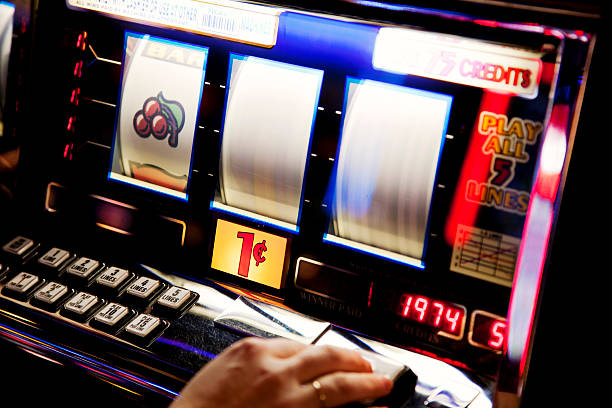
The late 20th and early 21st centuries brought about a technological revolution that significantly transformed the casino industry. The introduction of electronic gaming machines, particularly slot machines, redefined how players engaged with gambling. These machines offered a unique, fast-paced experience, making gambling more accessible and appealing to a broader audience. The flashing lights and sounds of slot machines became synonymous with the casino experience, drawing in millions of players worldwide.
The rise of the internet in the late 1990s further revolutionized the gambling landscape. Online casinos emerged, allowing players to enjoy their favorite games from the comfort of their homes. This shift expanded the reach of gambling, providing a platform for those who may not have access to traditional casinos. Online gaming sites began to offer a vast array of games, from poker to blackjack, appealing to a diverse demographic.
Moreover, advancements in mobile technology have made gambling even more convenient. Mobile apps and websites enable players to gamble anywhere, at any time, creating a new level of accessibility and engagement. This technological evolution has not only reshaped how casinos operate but has also influenced game design and marketing strategies, reflecting the changing preferences of modern consumers.
The Cultural Significance of Casinos
Casinos have long been more than just places for gambling; they serve as cultural landmarks and social spaces. They reflect the societal attitudes toward gambling and entertainment at various points in history. In many cultures, casinos symbolize luxury and excess, often portrayed in films and literature as glamorous destinations. They offer an escape from daily life, a place where individuals can indulge in the thrill of chance and the excitement of winning.
In addition, casinos often incorporate elements of local culture and heritage, making them unique to their locations. For example, casinos in Las Vegas are known for their extravagant themes and performances, showcasing the city’s entertainment industry. Conversely, casinos in Europe tend to emphasize elegance and sophistication, with classic architecture and refined dining experiences. These cultural distinctions play a significant role in attracting tourists and shaping perceptions of gambling worldwide.
Furthermore, casinos frequently contribute to the local economy by providing jobs and boosting tourism. They can become vital components of a region’s identity, promoting social gatherings and events. By hosting concerts, conventions, and tournaments, casinos not only generate revenue but also foster a sense of community, illustrating their multifaceted role in modern society.
The Future of Casinos
As we look ahead, the future of casinos appears to be driven by continued innovation and adaptation to changing consumer preferences. The integration of virtual reality and augmented reality into gaming experiences presents exciting opportunities for enhancing player engagement. These technologies can create immersive environments, allowing players to experience the thrill of gambling in a more interactive and dynamic way.
Additionally, the rise of cryptocurrency and blockchain technology is beginning to influence the casino industry. Many online platforms are now accepting cryptocurrencies as a form of payment, catering to a tech-savvy audience and enhancing security in transactions. This evolution reflects a broader shift toward digitalization, making gambling more accessible and transparent.
Moreover, as societal views on gambling continue to evolve, casinos will need to adapt to remain relevant. Responsible gambling practices and a focus on player safety are becoming increasingly important. Future casinos may emphasize sustainability and social responsibility, ensuring that their operations benefit the communities they serve while providing enjoyable experiences for players.
Joka Casino: A Modern Gaming Experience
Joka Casino represents the evolution of casinos in the digital age, providing Australian players with a seamless and secure online gaming experience. With a diverse range of instant deposit methods, including traditional cards and cryptocurrencies, Joka Casino caters to the needs of modern players who value convenience and security. By prioritizing transparency, the casino ensures that users are fully informed about deposit limits and fees, enhancing trust and clarity.
The platform also features robust security protocols that protect personal and financial information, allowing players to enjoy their favorite games with peace of mind. Joka Casino is dedicated to providing a fair and responsible gaming environment, demonstrating a commitment to player safety and responsible gambling practices. This focus on security and player welfare is indicative of the industry’s ongoing evolution.
As the landscape of gambling continues to change, Joka Casino exemplifies the integration of technology, innovation, and user-centric design, making it an ideal destination for those seeking an engaging online casino experience. With a commitment to excellence and a forward-thinking approach, Joka Casino is poised to play a significant role in the future of online gaming.